There’s no doubt that a fully landscaped garden will increase the value of your property & enhance the time you spend at home.  If you’re on a tight budget then landscaping your property can happen in stages. With a good Landscaping Plan to follow, you can’t go wrong.

Now this doesn’t have to cost you a lot of money, and the more you can DIY the more you can save. Ensuring your Landscape Design Plan is in place first, will save ensure you get it right the first time. 

Often the biggest issue for home owners is choosing the right plant selection.  Apart from working with plants that you like, you need to consider many things.  This includes what maintenance they will require, which will be partially governed by how you incorporate them into your design. 

Poor plant placement is the number one mistake made. It can lead to endless amounts of trimming and in some cases plant loss. The other issue is knowing what plant species are actually being grown and are available in your region. 

Once you’ve decided on the plant species the next issue is using them together to create the desired look and feel that you would like for your garden.


Modular Landscape Design System

Garden Bed PlansEzyplant has taken the guess work out of choosing the right plants for your garden beds by offering access to our range of professionally designed Garden Bed Plans.  Our plans show you what to plant and where to plant it within the garden bed area.

Gain 24/7 access to hundreds of professionally designed Garden Bed Plans via our Essential and Supported Landscape Design Packages, which includes a 1hr Online Consultation. Take the guess work out of choosing the right plant selection for your garden.

Along with access to our complete range of Garden Bed Plans we have included our Complete Garden Guide.  This steps you through the design phase including how to incorporate our Garden Bed Plans. We’ll guide you as to how to prepare your soil, planting tips, watering and fertilising, along with any maintenance issues you should be aware of.


Get It Right The First Time

In most cases there will be elements of your garden design that you will need help with.  Don’t make the costly mistake of taking on too much or above your ability/experience level. Mistakes not only cost you time but also a portion of your precious budget. 

Engage A Contractor

The service of a qualified Landscaper is invaluable to ensure your landscaping is completed properly.  While planting plants and mulching is child’s play, laying areas of paving or constructing a retaining wall is an altogether different specialty.

If you are planning to give it a go, always check with your local council for approval requirements on retaining walls, and remember a small amount of research could save you time and money.

Landscapers

Plants That Work

Choosing the right plant selection is difficult, let alone how to combine them for a professional look. With EZYplant’s Garden Bed Plans, you can choose from a range of professionally designed Garden Bed Plans that work within your landscape design & your budget. 

Let our system choose the right plans that meet your selections.

Choose the following parameters like, Garden Bed Shape, Garden Bed Width, Native or Non-Native Species or a Combination of Both, Maximum Plant Height & Foliage Colour.

Each plan showcases the plant image of each species included in the plan, so if you don’t know a lot about plants, it doesn’t matter. Our Garden Bed Plans include readily available plant species for your region, along with how many plants you will require. Each plan shows you where to plant each plant within the garden bed area. It really is that easy!

Whether you choose to plant them out yourself or have a landscaper or gardener complete that component for you, you can rest assured you have personally chosen the right plants for your garden.

Planting a tree

Garden Features

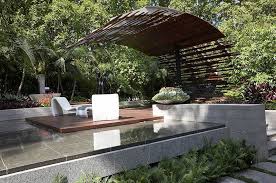
If you have the space, remember to incorporate outdoor furniture into your landscape design.

Given our beautiful Spring and Summer nights, it’s really special to be able to entertain under the stars.  But really your Garden Design can be as complex as you want it to be, it really depends on your budget.  Most importantly, remember to source the right people for the components you’re not experienced in.

If you find the whole process a little daunting then take a look at our Landscape Design Packages and let us point you in the right direction.

Modern Garden

On a tight budget but you want to get started? Here’s a little tip from us…

Forget the expense of garden edging for now. If needed, prepare you garden beds by installing quality garden soil or at least plant with quality garden soil.  Just get your plants in the ground so they can start growing!

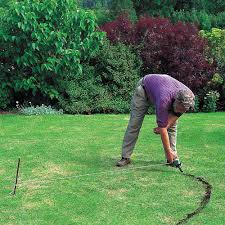
Some of the most grand gardens of time used this method with great success.  Consider defining your garden beds by digging a “V” channel around the perimeter.

garden layout

How To Get Started

You will need to mark out the garden bed on the ground with ground paint (available at your local hardware). You can also use the garden hose as a guide for digging.  The “V” channel will give you an edge to whipper snip and the mulch will sit in the bottom of the “V’ channel, retaining it perfectly.   It’s a great way to get started on your landscaping project.  Your desired edging can be installed at a later date, when finances allow.

It’s important to consider drainage issues.  Raised garden beds, by importing soil to build up the beds, can be used to direct water. Raised garden beds also provide good drainage to plants. This may be the difference between plants surviving or not, during extended wet periods. By adding soil to the centre of the garden bed, it not only provides much needed drainage but also definition to the garden bed area.  This also adds interest to your garden design overall.

Now For A Bit Of Muscle

Using a flat nosed shovel, place on your marking and dig into the soil on a 45º angle towards the inside of the garden bed.  This should be to a depth of about 15cm. Do this all the way around the perimeter of your garden bed. Now step inside the garden bed and place your shovel about 10-15cm away from your first cut. Dig into the soil on a similar angle to meet up with the bottom of your first cut.  Make your way around the perimeter ensuring that you maintain your 10-15cm spacing. Remove the “V” section of soil as you go.  This can be discarded, used as fill in the garden bed, in another part of the garden, or composted.

garden edging

Once your edging is in place, you will need to deal with any grass located in the garden area.  You may choose to poison the turf, alternatively (and much more supportive of our bee population) you could take a different approach.  Cut the grass as low as possible using a mower or a grass trimmer, plant your plants, then heavily mulch the garden bed area.  Ensure you keep the mulch away from the trunk of all your plants to stop collar rot.  This approach only sees the need to spray any grass that makes its way through the mulch, reducing the amount of poison required. 

Once you are confident the grass is under control, apply a layer of Pine Bark or Chip, to the top of the mulch layer.  This helps to keep the weeds under control & to give your gardens a more formal appearance.

For most people, the most important part of establishing a new garden is getting the plant selection right and the plants into the ground.  This method of providing a temporary garden edge is a great way to get started & you just might find it works for you long term.

Happy Gardening.
Need Some Help Getting Started?